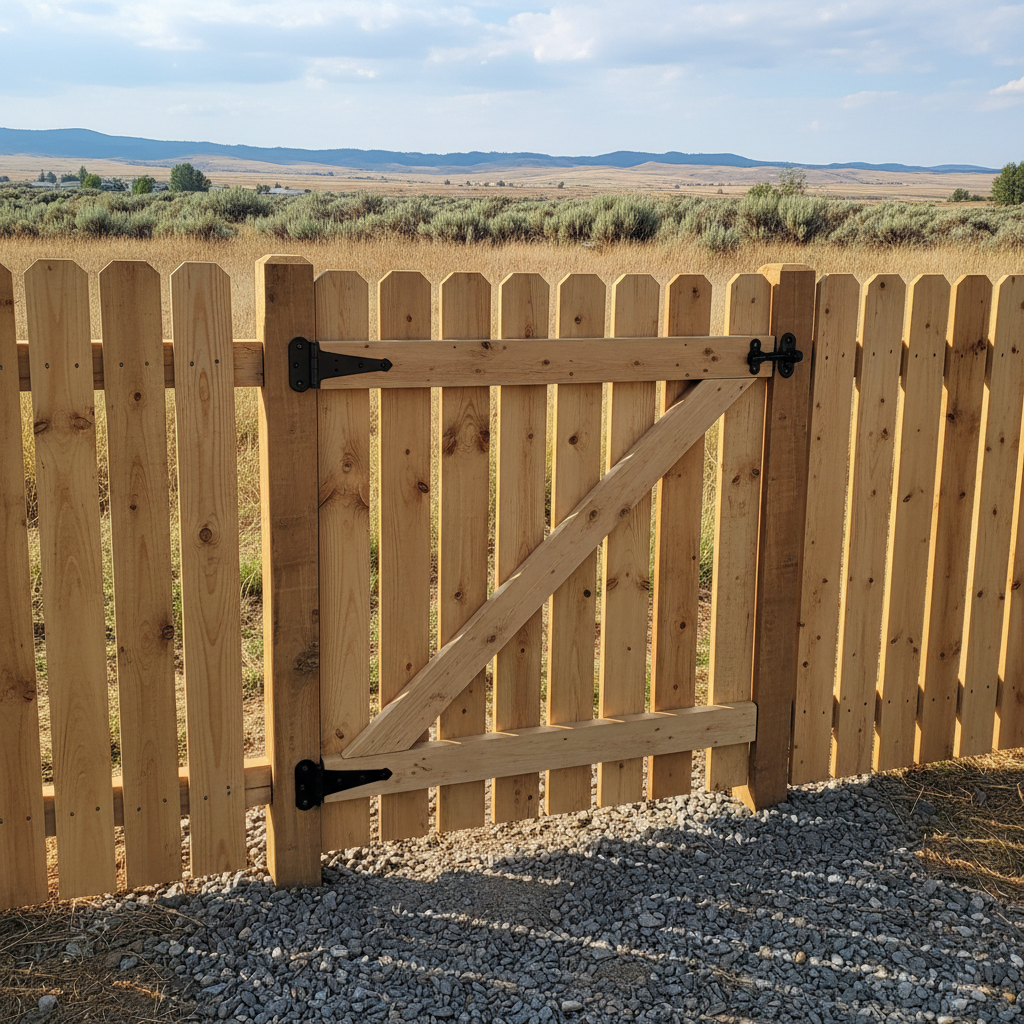
A gate isn't something you really think about much until it stops working right. Then, all of a sudden, it turns into a massive headache. Whether it's a fancy automatic entry gate or just a simple pedestrian swing gate, it takes a beating from the weather and everyday use. Here in Moses Lake, with our scorching, dry summers and sometimes icy winters, gates face some pretty unique challenges. You want that gate to last, don't you? So let's chat about how to make sure it does.
Making Your Gate Last Longer
The best way to make anything last is to start with a quality installation, and that's something we really pride ourselves on here at Moses Lake Fencing. But even the best install needs a little TLC. Just think about what your gate goes through. It's constantly moving, out in the sun, wind, and moisture. That means wear and tear on the hinges, latches, and the gate material itself.
For metal gates, especially ornamental iron, a good powder coat finish is crucial. But even that can get chipped. When you spot a chip, don't just ignore it. It's basically an open invitation for rust. A quick touch-up with some rust-inhibiting paint can save you a whole lot of trouble down the line. For wood gates, sealing and staining are your absolute best friends. The sun out here in the Columbia Basin can be brutal, baking wood and making it brittle. Reapply a good quality stain or sealant every couple of years, or even more often if it's in direct, all-day sun.
Another big one? Make sure the gate isn't dragging. If your gate scrapes the ground every time it opens or closes, it's not just annoying; it puts stress on the hinges and posts. This can lead to it failing much sooner than it should. Sometimes it's just a loose hinge, other times the post might be settling. Catching this early can prevent a much bigger, more expensive repair.
Regular Maintenance: What You Should Actually Do
This isn't rocket science, but it does need a little bit of attention. I usually tell folks to do a quick check-up on their gates at least twice a year. Spring and fall are good times, right before the really hot or cold weather kicks in.
- Grease up moving parts: Hinges, rollers, and latches all need lubrication. Grab a silicone-based spray lubricant for any metal-on-metal parts. Try to avoid greasy lubricants; they can attract dirt and grime, especially on automatic gate openers. A little spray every few months keeps things moving freely and, thankfully, quietly.
- Clean it off: Dirt, dust, spiderwebs, and even bird droppings can really build up. A simple wash with soap and water can work wonders. For automatic gates, gently clean the track or sensor areas. Debris can block sensors and stop the gate from working correctly.
- Check the fasteners: Give all the screws, bolts, and nuts a quick once-over. Tighten anything that feels loose, you know? Vibration from daily use and wind can loosen things up over time.
- Look at the gate material: Keep an eye out for cracks in wood, rust spots on metal, or bent sections on chain link. The sooner you spot these, the easier — and cheaper — they are to fix.
- Clear the path: Make sure no vegetation is growing into the gate's swing path or around automatic gate sensors. Weeds and shrubs grow fast here, especially near the irrigation canals, and they can definitely mess with how the gate operates.
Signs of Trouble Ahead
Your gate usually gives you hints before it completely conks out. Don't ignore these signals:
- Squeaking or grinding noises: This often means hinges or rollers need lubrication, or that something is out of alignment.
- Hard to open or close: If you have to push harder than usual, or if an automatic gate struggles, something's definitely off. It could be a failing opener motor, a gate that's dragging, or hinges that are binding.
- Sagging or leaning: This is a big one, really. A gate that sags or leans puts immense stress on the posts and hinges. It usually points to a failing post, loose hinges, or even ground movement. Our expansive clay soils around here can cause posts to shift, especially if they weren't set deep enough or properly compacted.
- Rust or rot: Visible rust on metal or soft, crumbling wood are clear indicators that the material is compromising.
- Works sometimes (for automatic gates): If your automatic gate works sometimes and not others, it could be a sensor issue, a wiring problem, or a failing component inside the opener itself.
When to Call in the Experts
Some things you can handle yourself, but others are really best left to the pros. If you're seeing any of the major warning signs like significant sagging, a gate that's dragging badly, or an automatic opener that's completely stopped working, it's time to give us a call. Don't try to force a gate that's clearly struggling; you could cause more damage or, worse, injure yourself.
Also, if you're dealing with electrical components on an automatic gate, unless you're a qualified electrician, it's always safer to have a professional handle it. We've got the tools, the experience, and the right parts to diagnose and fix these issues safely and efficiently. Getting it done right the first time saves you money and hassle in the long run. Keep that gate swinging smoothly!