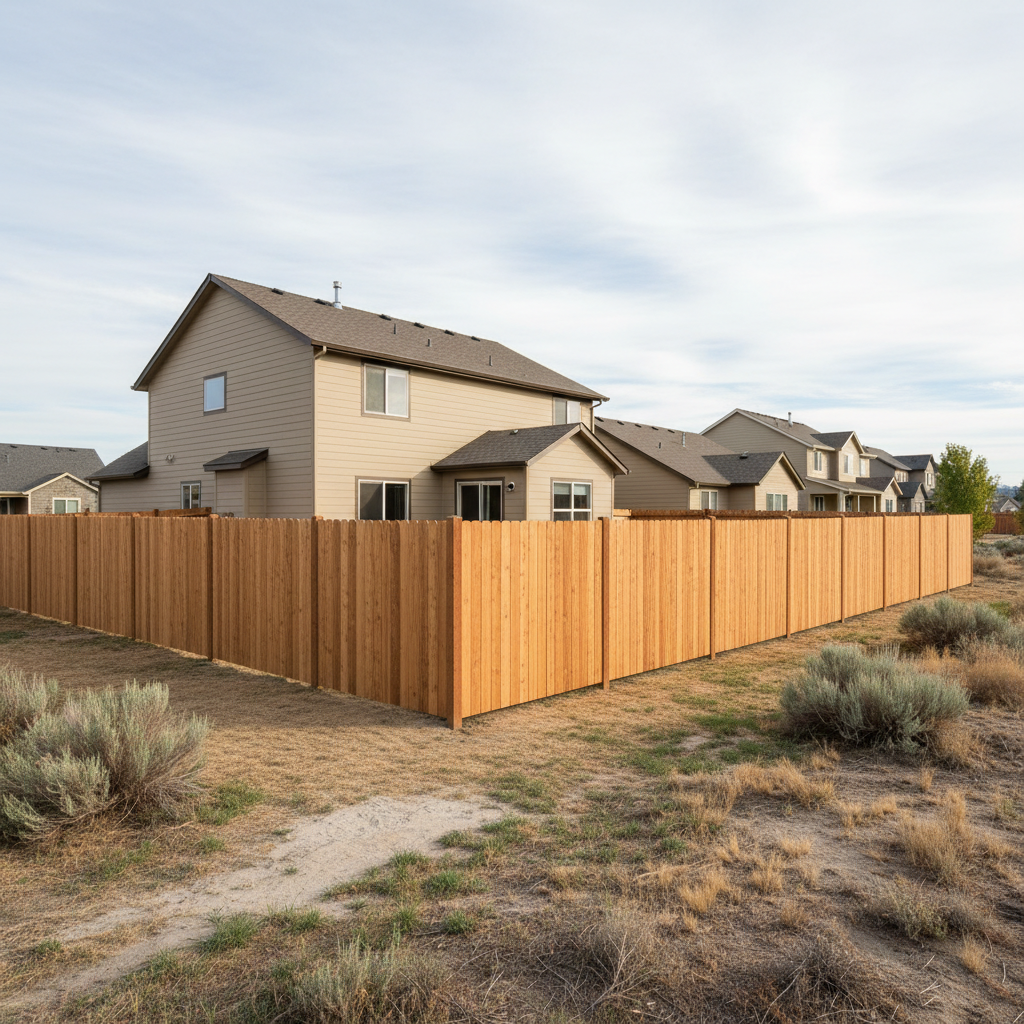
So, you're looking at putting up a new wood fence, huh? Great choice. A good wood fence adds a ton of curb appeal, privacy, and security to your place. But around here, in Moses Lake, it's not just about slapping some pickets together. We've got some unique challenges that a generic fence builder from out of town might completely miss. And trust me, you don't want to learn those lessons the hard way.
Why Moses Lake Isn't Your Average Fence Job
First off, let's talk about our ground. We're known for that volcanic ash soil, right? It's not always the easiest to dig, and its drainage can be a bit unpredictable depending on where you are – especially if you're closer to the lake or in some of the older neighborhoods with more established, compacted ground. That means your fence posts need to be set properly. I'm talking about good, deep holes, usually 24 to 30 inches, with plenty of concrete. If you don't go deep enough, or if the concrete mix isn't right for our soil's expansion and contraction, you're going to see posts leaning or lifting in a few years. It's just a fact of life here.
Then there's our weather. We get those hot, dry summers that can bake everything, followed by pretty cold, sometimes damp winters. That constant shift is brutal on wood. It causes expansion and contraction, leading to warping, cracking, and fastener failure if you're not using the right materials and techniques. I've seen countless fences around town, especially those put up by folks trying to save a buck with cheap materials, just fall apart after a few seasons. It's a shame, really, because a well-built wood fence should last you decades.
Choosing the Right Wood for Our Conditions
When it comes to wood, you've got options, but some are definitely better suited for Moses Lake than others. Here's what I generally recommend:
- Cedar: This is my go-to for a reason. Western Red Cedar holds up incredibly well to our climate. It's naturally resistant to rot, decay, and insects, which is a huge plus. It also weathers beautifully, turning that nice silvery-gray color over time if you let it. It's a bit more expensive upfront, but you're paying for longevity and less maintenance down the road.
- Treated Pine: Pressure-treated pine is another solid option, especially if you're on a tighter budget. It's treated with chemicals to resist rot and insects, making it durable. The key here is making sure it's properly treated for ground contact if you're using it for posts. It can sometimes warp or twist more than cedar, so careful selection of boards is important.
What you want to avoid are untreated, softer woods that aren't designed for exterior use. They just won't stand a chance against our sun and moisture cycles.
Common Wood Fence Projects I See Around Here
I've been building fences for a long time, and I've seen pretty much every type of project you can imagine. Here in Moses Lake, I get a lot of calls for a few common scenarios:
- Privacy Fences: These are huge, especially in newer developments like the areas around Northshore or near the golf course where homes are a bit closer together. People want their backyard oasis, and a good 6-foot cedar privacy fence does the trick.
- Perimeter Fences: For folks with bigger lots, maybe out towards the rural edges of town, a good perimeter fence defines property lines and keeps pets or kids safely contained. These can be anything from a simple picket fence to a more robust post-and-rail style.
- Replacement Fences: This is a big one. An old fence that's seen better days, maybe leaning, rotting, or just falling apart. Often, these are fences that weren't built with our local conditions in mind. We come in, tear out the old, and put in something that'll actually last.
No matter the project, the principles are the same: quality materials, solid construction, and an understanding of what works *here*.
Why Local Expertise Matters (And Where Moses Lake Fencing Comes In)
You can hire anyone to put up a fence, sure. But if they don't know Moses Lake, if they haven't dealt with our specific soil, our wind, our temperature swings, then you're taking a gamble. I've been doing this long enough to know what works and what doesn't. I've seen the mistakes, and I know how to avoid them.
It's not just about the technical stuff either. It's about understanding the local codes, knowing what your neighbors might have, and just generally being part of the community. When you work with someone local, you're getting someone who's invested in this town, not just passing through. We stand behind our work because our reputation is built right here, among our neighbors.
So, if you're thinking about a new wood fence, give it some thought. Don't just go for the cheapest bid. Look for someone who understands Moses Lake, who uses quality materials, and who builds fences that are going to stand strong for years to come. It’s an investment, and you want it done right the first time.